
 Image 1 of 3
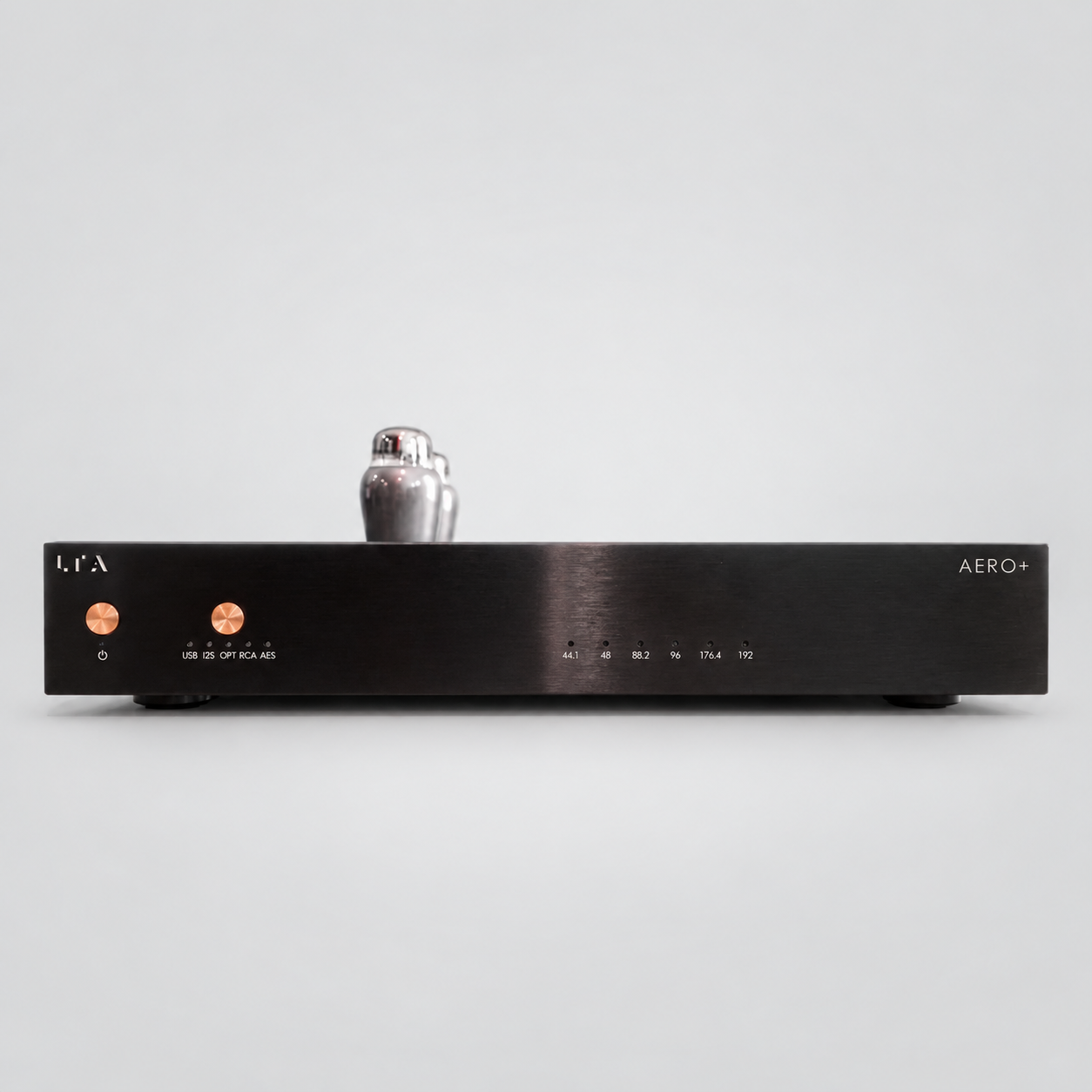 Image 2 of 3
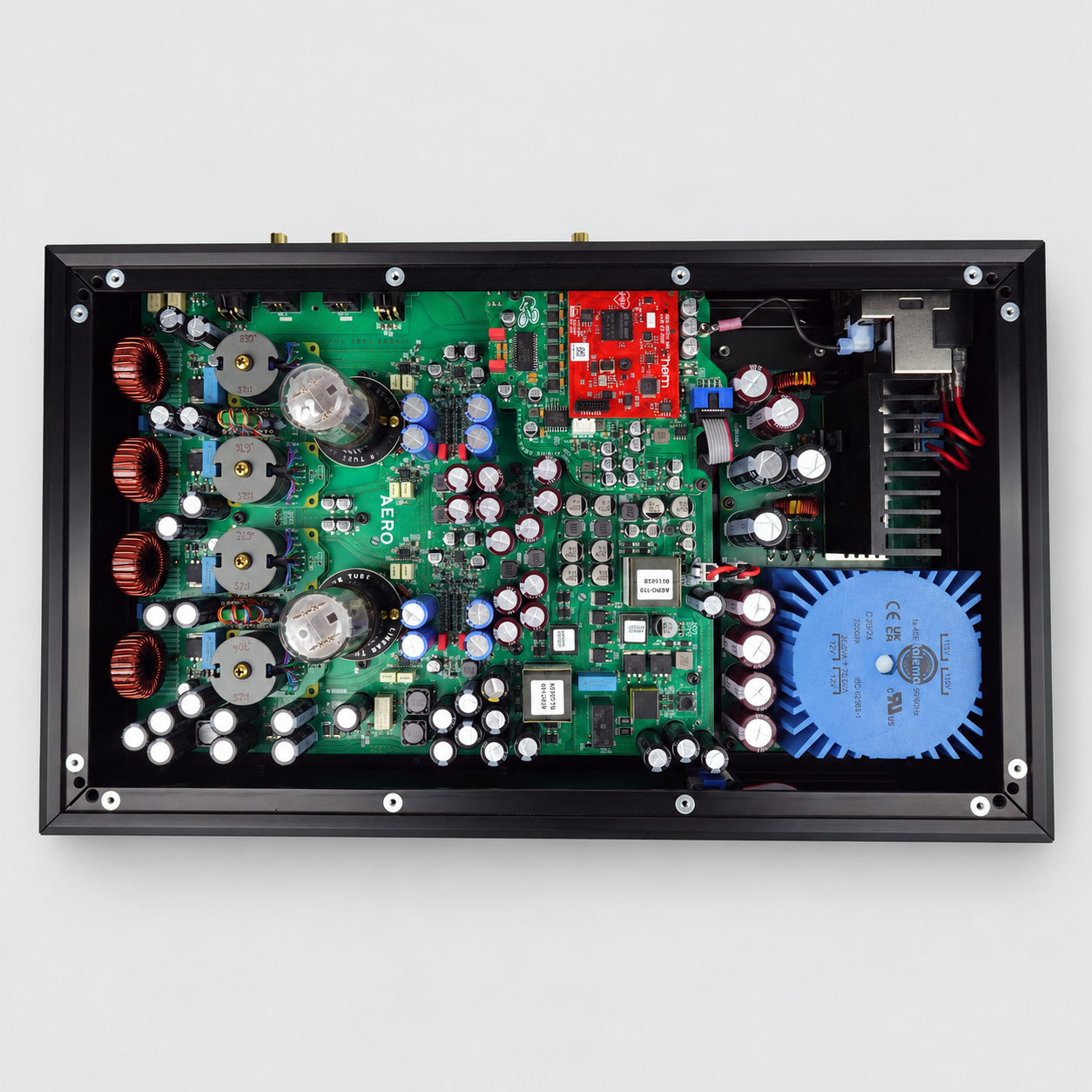 Image 3 of 3
About the Aero+
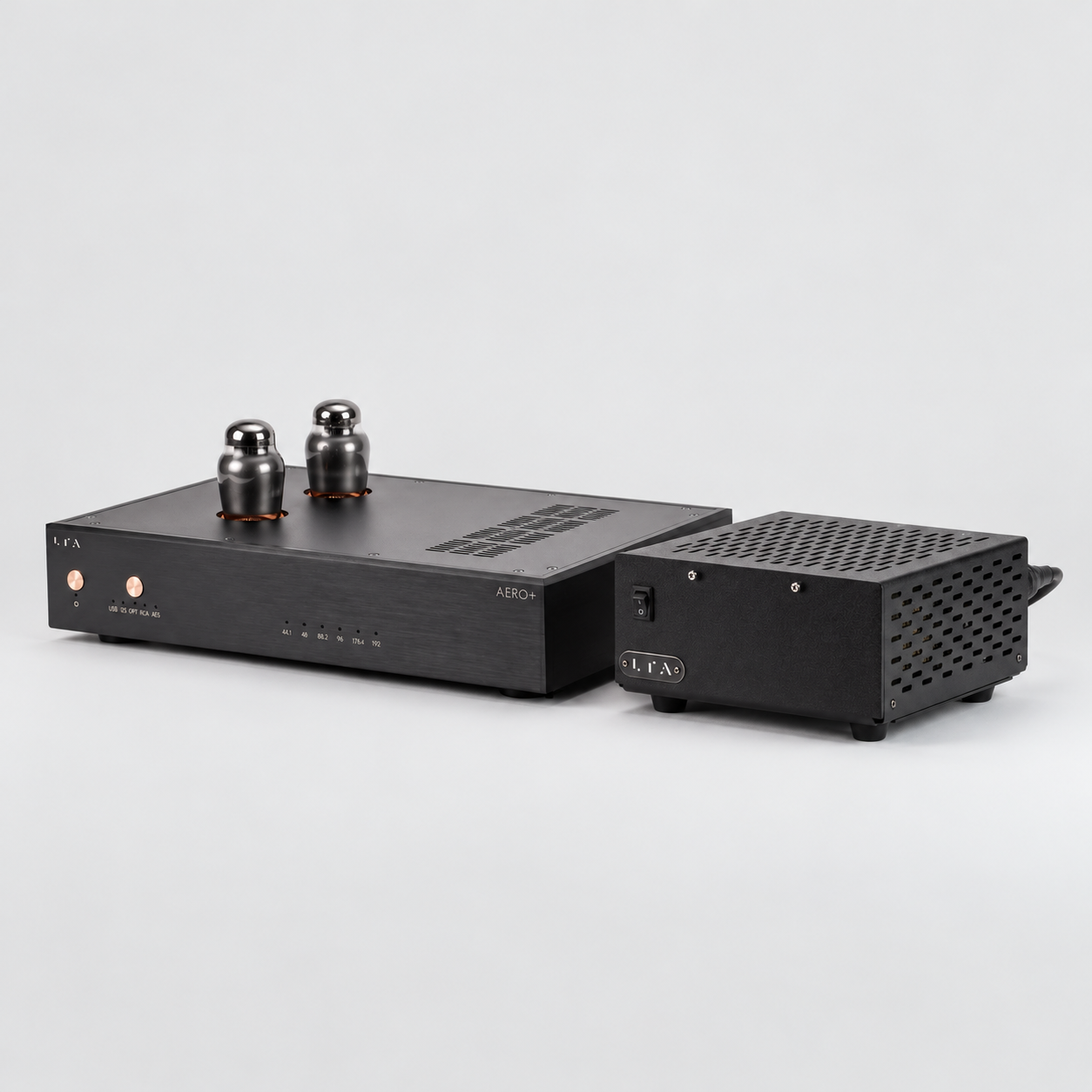
The Aero+ develops LTA’s original DAC with additional digital connections, a refined DAC interface and revised power-supply circuitry.
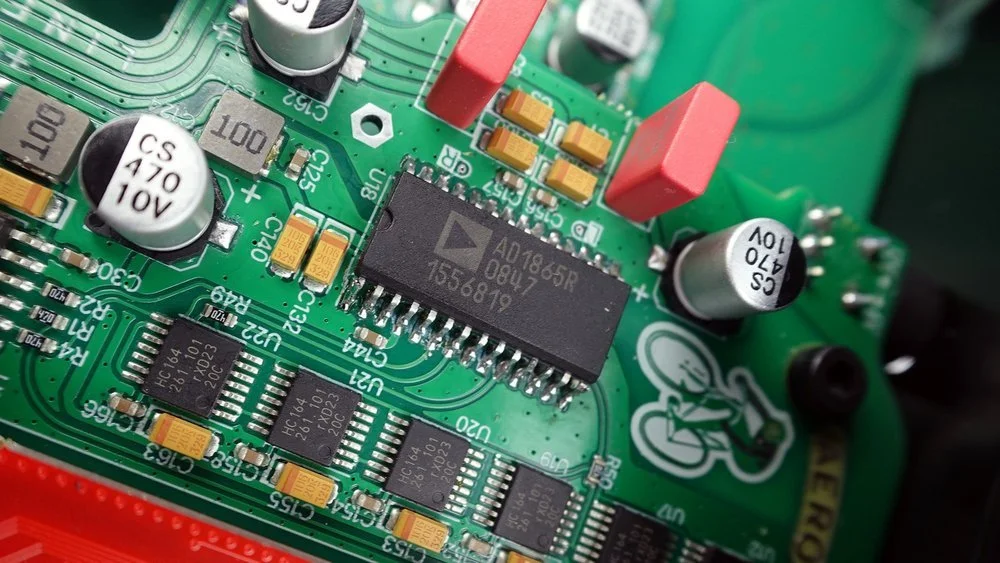
At its heart is the Analog Devices AD1865 R2R converter, operated without oversampling or digital reconstruction filters. LTA pairs this architecture with its own analogue circuitry, pursuing a presentation that combines tonal richness with clarity and musical involvement.
ZOTL Vacuum Tube Output Stage
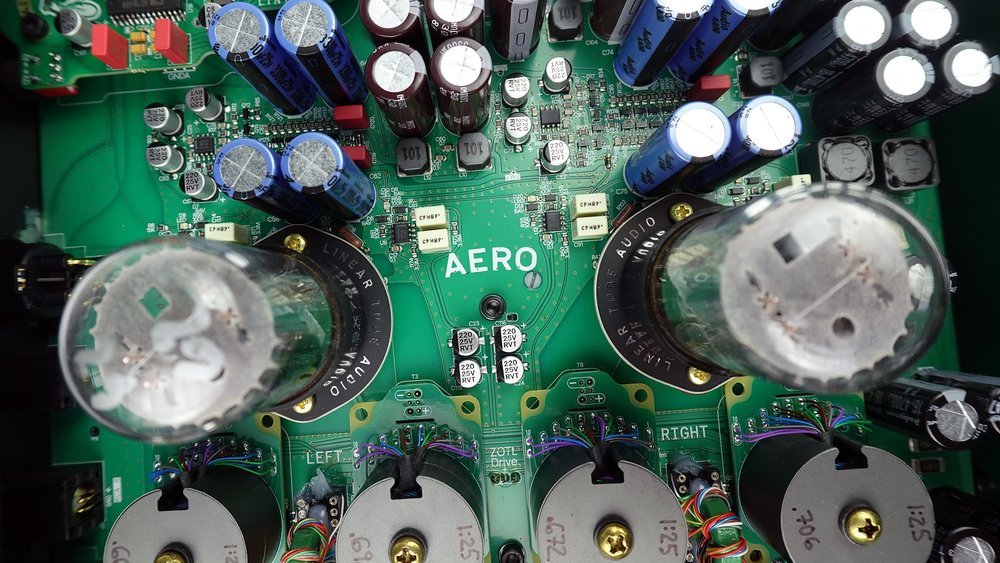
The balanced Class-A output stage uses David Berning’s patented ZOTL technology. Direct coupling eliminates signal-path coupling capacitors, while the circuit operates without local or global negative feedback.
Two exposed sockets allow easy tube replacement. The Aero+ accepts 12SN7 and 6SN7 tubes using a selector switch, with automatic bias adjustment and protection circuitry for tube faults.
A Refined DAC Interface
Between the AD1865 converter and the tube output stage sits LTA’s proprietary current-to-voltage conversion circuit.
This interface is designed to maintain a consistent load on the DAC chip. Revised for the Aero+, it reduces distortion and forms a central part of LTA’s approach to preserving detail and spatial information through the analogue signal path.
Dedicated Power Architecture
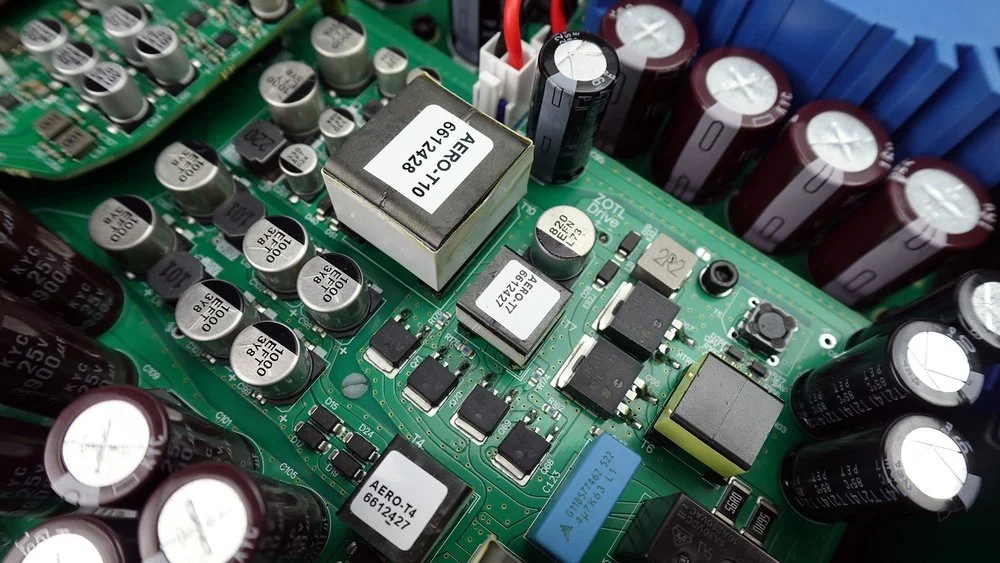
The Aero+ features six separate, individually isolated power supplies with over 900,000μF of combined storage capacitance. This power system ensures a large power reservoir, significantly enhancing dynamics and overall sound quality. We use a unique topology that provides much more musicality than typical linear power supplies.
Five Digital Inputs
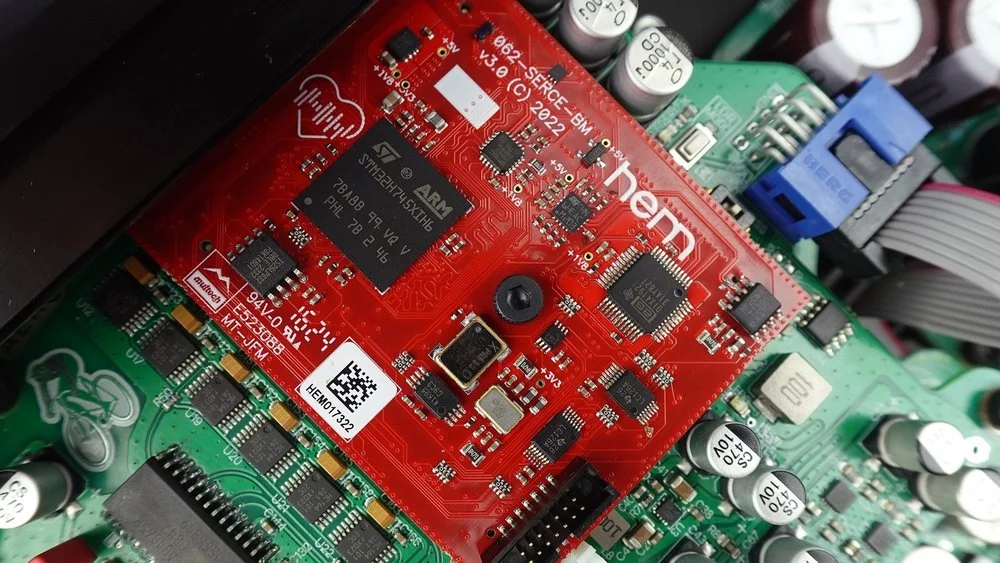
USB, coaxial S/PDIF and optical inputs are joined by I²S and AES3, expanding compatibility with dedicated streamers, servers and digital transports.
An ARM-based input platform handles incoming digital audio, with galvanic isolation between the digital sources and DAC circuitry. The Aero+ accepts PCM streams up to 24-bit/192 kHz.
The I²S input follows the PS Audio connection standard; compatibility should be checked with the source component.
Conversion
Analog Devices AD1865 R2R
Non-oversampling operation without digital reconstruction filters
Supported Audio
PCM up to 24-bit/192 kHz
Digital Inputs
USB
Coaxial S/PDIF via RCA
Optical Toslink
I²S, PS Audio standard
AES3
Analogue Outputs
Stereo RCA and balanced XLR
Output Level
RCA: 2.2 V RMS
XLR: 4.4 V RMS
Output Impedance
RCA: 70 Ω
XLR: 140 Ω
THD+N at Maximum Output
RCA: 0.3%
XLR: 0.1%
Frequency Response
−0.3 dB at 20 Hz
−0.8 dB at 20 kHz
Output Tubes
2 × 12SN7
6SN7 compatible using the selector switch
Power Consumption
33 W operating
8 W standby
Mains Supply
120/230 V AC ±10%, user-selectable
Dimensions, W × D × H
432 × 254 × 76 mm, excluding tubes and connectors
Approximately 114 mm high with stock tubes
Approximately 267 mm deep including connectors
Weight
8.2 kg including external supply
Manufacture
Designed and built in Takoma Park, Maryland, USA