 Image 1 of 2
 Image 2 of 2
Handcrafted in Prague
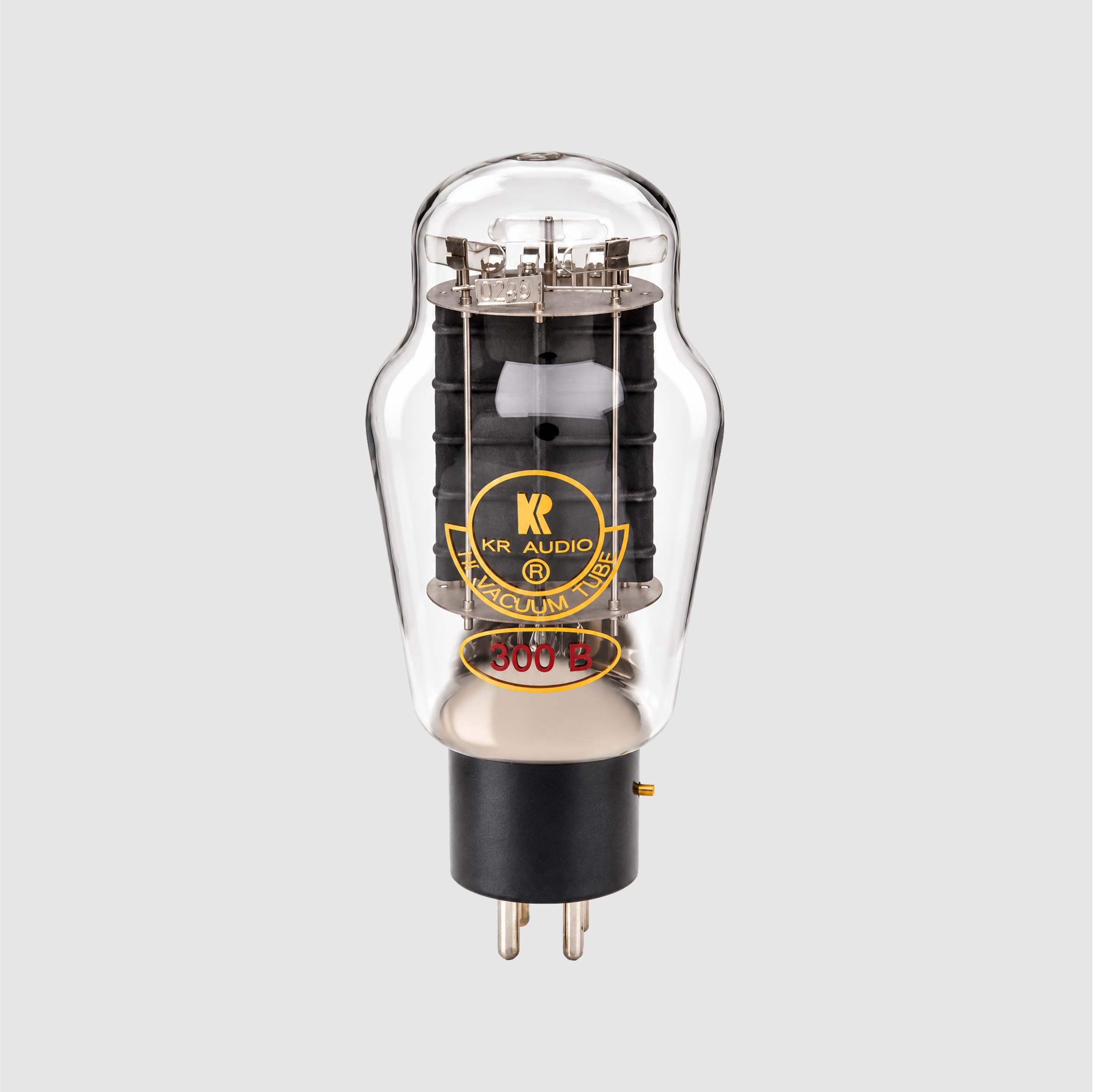
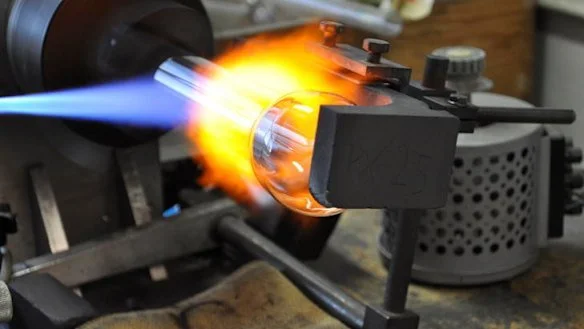
Made in Prague, Czech Republic, the KR 300B reflects a hands-on approach to vacuum tube production. From glassblowing to the assembly of its internal structure, skilled craftsmanship lies at the very heart of its construction.
Classic Form, Individual Engineering
The familiar 300B format meets KR Audio’s own approach to materials and manufacture. Hand-formed SIMAX glass and specialist high-vacuum production bring together traditional craft and precision engineering in a tube created specifically for audio applications.
Built for Class-A
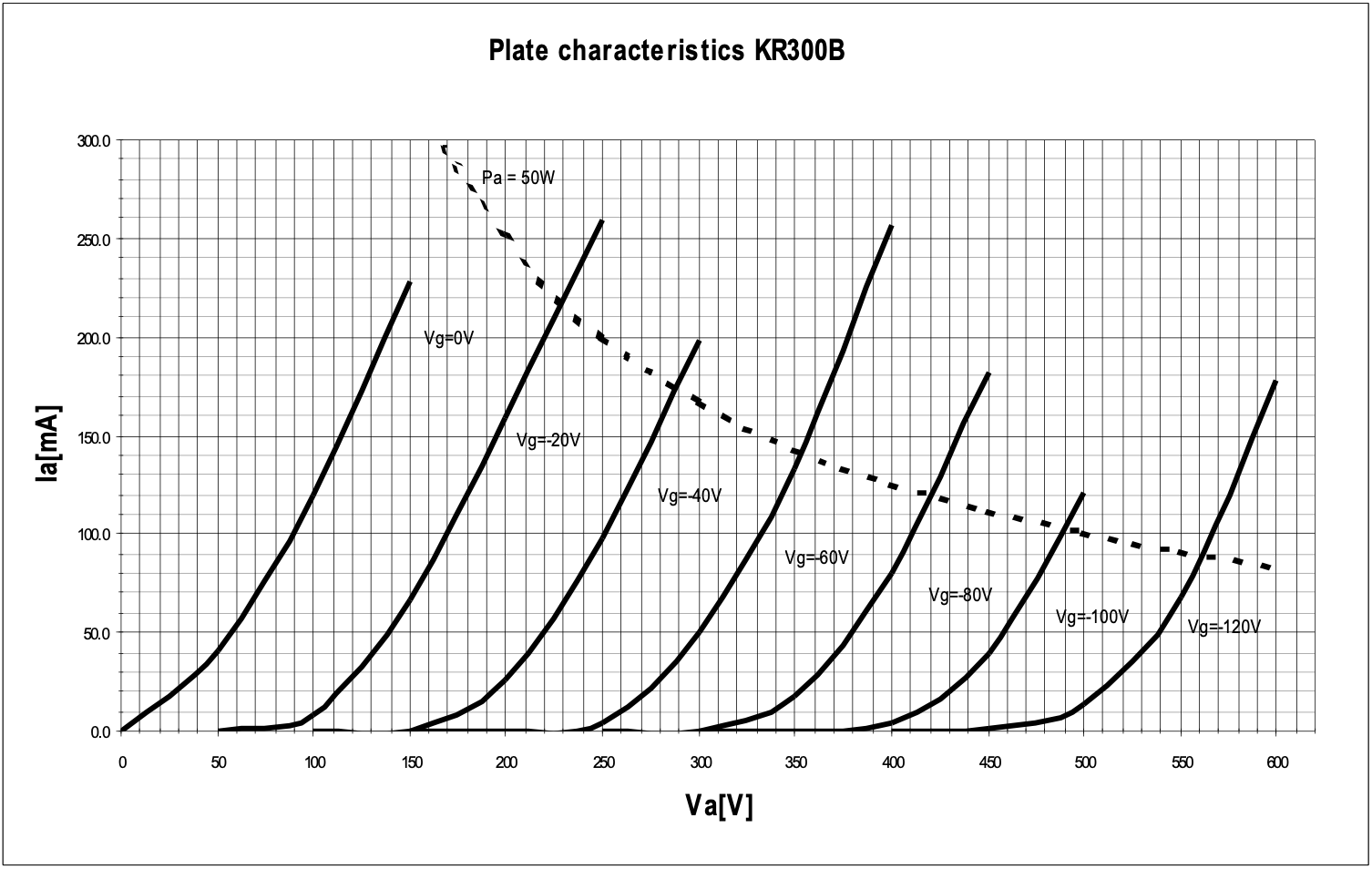
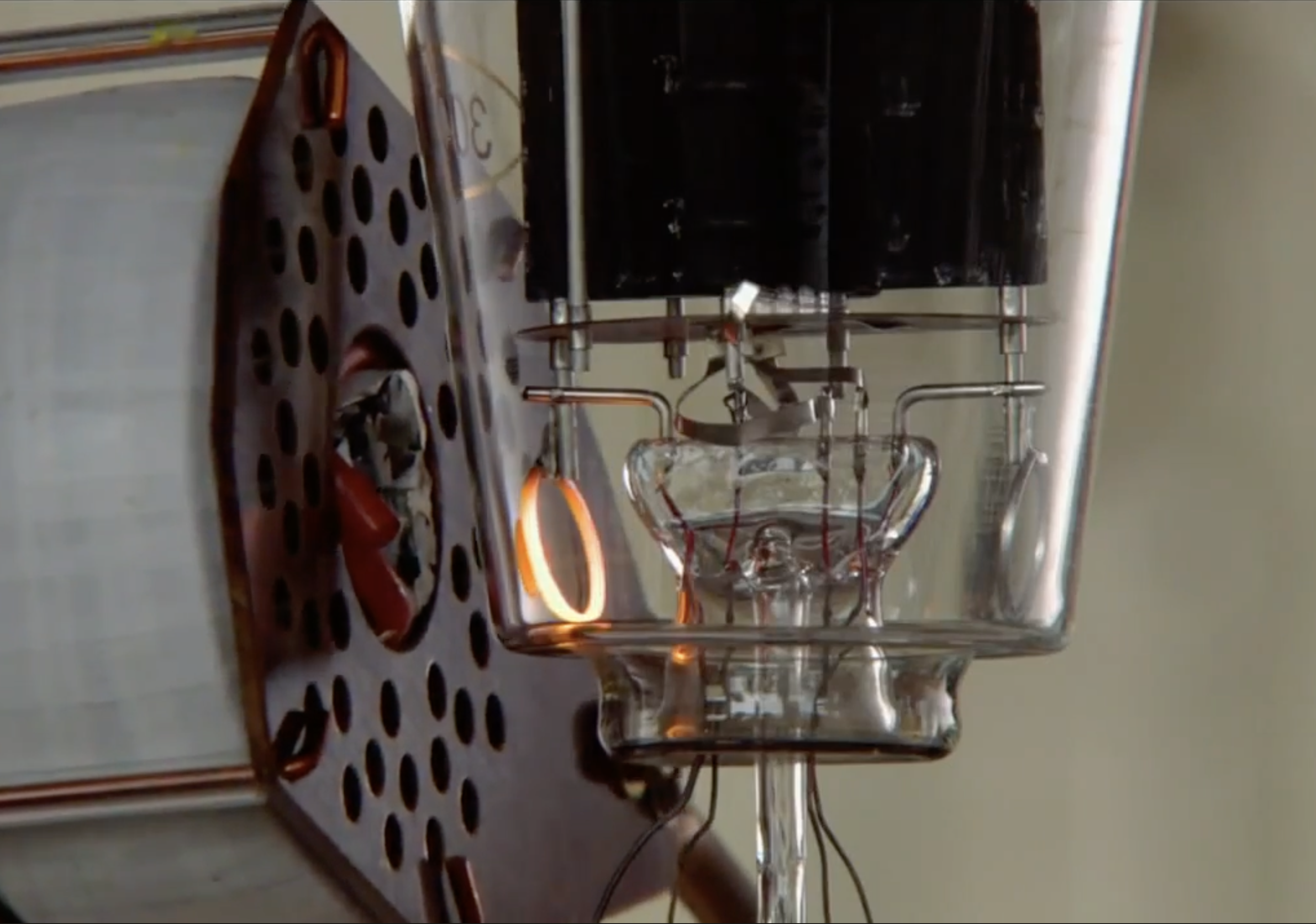
The KR 300B continues the tradition of directly heated triodes in Class-A audio amplification. With a maximum plate dissipation of 50 watts, it offers a robust foundation for compatible amplifier designs, while actual output power depends on the circuit and operating point.
Specifications
Classification
Moderate power, filamentary triodes for Class-A service.
Application
Audio-frequency amplifier in positions where power outputs of approximately ten watts or less are required at relatively low plate voltages.
Base and Mounting
These vacuum tubes employ medium, four-pin UX4 thrust type bases
The tubes may be mounted in either a vertical or horizontal position.
Filament Rating
Filament voltage: 5.0V
Nominal filament current: 1.2A
Amplification factor: 3.9
Maximum Rating
DC Plate Voltage: 550 V
DC Plate Current: 120 mA
Dissipation: 50 Watts
Recommended Operating Conditions
The filaments of these tubes are designed to operate on a voltage basis and should be operated at as near the rated voltage as possible.
Where it is necessary to operate the tube at or near the maximum plate current of 120mA, provision should be made for adjusting the grid bias of each tube independently, so that the maximum safe plate current will not be exceeded in any tube. Alternatively, a self-biasing circuit may be used, in which the grid bias for the tube is obtained from the voltage drop produced by the plate current of that tube flowing through a resistance.
Characteristics
Testing point
DC Plate Voltage: 450 V
DC Plate Current: 100 mA
Grid Voltage: -90 V
Plate Resistance: 630 ohm
Transconductance: 6.2 mA/V